
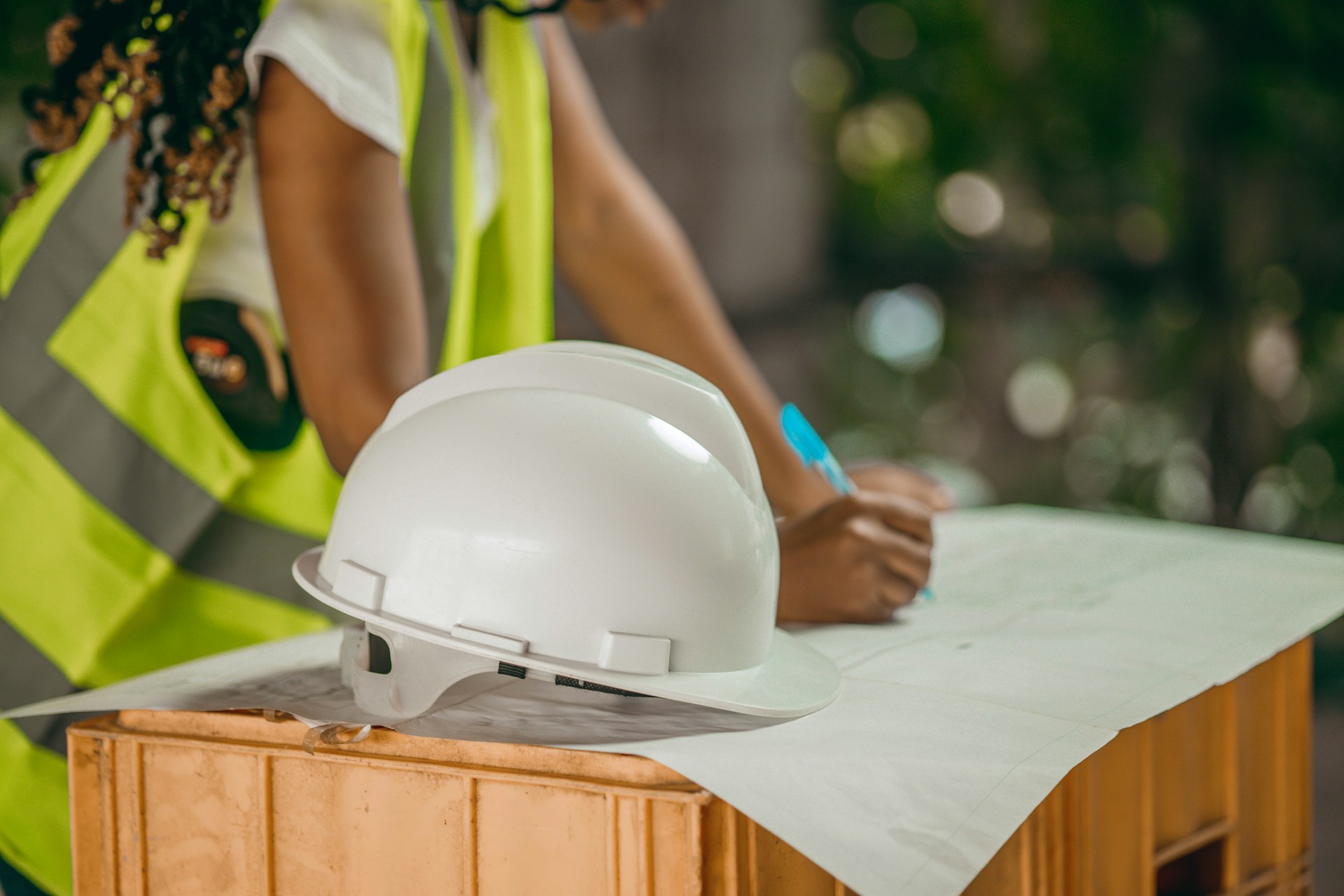
How Professional Building Companies Deliver Quality Residential and Commercial Developments
The construction industry plays a critical role in shaping the spaces where people live, work, and invest. From modern family homes to large-scale office complexes, professional building companies are responsible for turning architectural visions into durable, functional structures. When clients engage firms such as EKCR Consulting, they expect more than brick and mortar. They expect quality, compliance, safety, and long-term value.
Delivering high-standard residential and commercial developments requires careful planning, technical expertise, and disciplined project management. It also demands adherence to building regulations, environmental guidelines, and financial transparency. For property owners and investors, these factors are not optional. They are essential safeguards that protect both capital and occupants.
In an industry where budgets are substantial and timelines are often tight, the margin for error is small. Professional construction companies differentiate themselves through structured processes, qualified teams, and a commitment to best practices. The result is not only a completed building, but a development that stands the test of time.
Strategic Planning and Feasibility Assessment
Every successful development begins long before construction equipment arrives on site. It starts with comprehensive feasibility studies, site evaluations, and regulatory assessments. These early-stage activities determine whether a project is viable from technical, financial, and legal perspectives.
Professional builders conduct due diligence to assess soil conditions, zoning requirements, environmental impact, and infrastructure availability. They also evaluate budget parameters, return on investment, and long-term maintenance implications. This structured approach reduces uncertainty and mitigates risk for property developers and private clients alike.
Key components of the planning phase typically include:
-
Site inspections and geotechnical analysis
-
Cost estimation and budget forecasting
-
Regulatory compliance review and permit applications
-
Risk identification and mitigation planning
-
Stakeholder consultation and design coordination
Clear documentation is essential. So is transparency. Clients must understand projected timelines, anticipated costs, and potential constraints before construction begins.
Integrated Design and Engineering Coordination
Once feasibility has been confirmed, collaboration becomes the driving force behind quality outcomes. Architects, structural engineers, quantity surveyors, and project managers work together to ensure that design intent aligns with structural integrity and financial realities.
This coordination prevents costly redesigns and construction delays. It ensures that building systems — including electrical, plumbing, HVAC, and fire safety — are integrated seamlessly into the overall structure.
In residential developments, this might involve optimizing layouts for energy efficiency and comfort. In commercial projects, the focus may shift toward operational efficiency, accessibility, and regulatory compliance. Each building type has unique technical demands.
Strong building companies maintain close communication between disciplines. They review plans thoroughly. They challenge inconsistencies early. They resolve conflicts before they reach the construction phase.
Regulatory Compliance and Risk Management
Residential and commercial developments must comply with national building codes, municipal bylaws, and occupational health and safety regulations. Non-compliance can lead to fines, project stoppages, legal liability, and reputational damage.
Professional contractors implement compliance frameworks to ensure every aspect of the project aligns with statutory requirements. This includes proper documentation, certified materials, safety training, and inspection scheduling.
Risk management extends beyond legal compliance. It encompasses structural safety, environmental protection, and financial control. Comprehensive insurance coverage, clear contractual terms, and transparent procurement processes further protect clients’ interests.
Shortcuts are expensive. In construction, they often surface years later in the form of defects or failures. Responsible companies prioritize long-term performance over short-term savings.
Quality Control Throughout Construction
Quality is not an abstract concept. It is measurable. It is inspected. It is verified at every stage of the build.
During construction, professional firms establish quality assurance protocols that monitor workmanship, materials, and installation standards. Site supervisors conduct routine inspections, and independent engineers may perform structural assessments where required.
A disciplined quality control system typically includes:
-
Material verification and supplier accreditation
-
Stage-by-stage inspections and sign-offs
-
Compliance testing for structural and safety components
-
Detailed progress reporting to stakeholders
-
Final commissioning and snag list resolution
Each step reinforces accountability. Each inspection reduces the likelihood of costly remedial work later.
In high-value commercial projects, documentation trails are especially important. Investors, tenants, and regulatory bodies often require detailed compliance records before occupation certificates are issued.
Skilled Workforce and Professional Oversight
Construction quality ultimately depends on the competence of the people executing the work. Experienced project managers, qualified artisans, and certified tradespeople form the backbone of reputable building companies.
Ongoing training ensures teams stay current with evolving construction technologies, sustainability standards, and safety regulations. Supervision is equally critical. Even skilled workers require coordination and oversight to maintain consistency across large-scale developments.
Effective leadership on site reduces delays, improves communication, and maintains morale. It also ensures that health and safety protocols are rigorously followed. Accidents disrupt timelines and can result in serious liability. Prevention is therefore a priority.
In residential construction, attention to detail enhances the living experience for future occupants. In commercial developments, precision ensures operational efficiency and compliance with occupancy standards. Both require disciplined execution.
Financial Transparency and Budget Control
Large building projects involve significant financial commitments. Budget overruns can undermine profitability and strain client relationships.
Professional construction firms implement cost control mechanisms that track expenditure in real time. Quantity surveyors monitor variations, manage procurement processes, and assess payment certifications. This structured oversight ensures that spending aligns with approved budgets.
Transparent reporting builds trust. Clients receive regular updates detailing progress against budget, projected costs to completion, and any potential financial risks. In well-managed projects, surprises are minimized.
Cash flow planning also plays a crucial role. Contractors must balance supplier payments, labour costs, and milestone-based billing schedules without compromising project momentum.
Financial discipline supports quality outcomes. When funds are properly managed, material substitutions and rushed workmanship become less likely.
Sustainable Building Practices and Long-Term Value
Modern developments are increasingly shaped by sustainability considerations. Energy efficiency, water conservation, and environmentally responsible material selection are no longer optional extras. They are market expectations.
Professional builders incorporate green building principles into design and construction processes. This may involve optimizing insulation, integrating renewable energy systems, or specifying low-impact materials.
For commercial property owners, sustainability enhances asset value and reduces operating costs. For homeowners, it lowers utility expenses and improves indoor comfort.
Long-term performance is central to quality construction. Buildings should age gracefully. They should require manageable maintenance. They should withstand environmental stressors without premature deterioration.
This forward-thinking mindset distinguishes reputable firms from opportunistic contractors.
Project Delivery and Post-Construction Support
The final phase of any development involves inspection, certification, and handover. However, quality delivery does not end when keys are exchanged.
Before occupation, professional builders conduct thorough final inspections to address outstanding defects. Compliance certificates are obtained. Systems are tested and commissioned. Documentation packages are handed over to clients.
After completion, reputable companies remain accessible for support, warranty claims, and maintenance guidance. This post-construction engagement reflects confidence in the workmanship delivered.
Clients value continuity. They appreciate knowing that the builder stands behind the project.
In both residential and commercial sectors, long-term relationships often emerge from a single well-executed development. Firms such as EKCR Consulting build reputations not merely through marketing, but through consistent delivery, regulatory compliance, disciplined project management, and durable construction outcomes.
Quality developments are never accidental. They are the product of planning, coordination, skilled execution, and unwavering professional standards.