
Safety Shoes or Boots: Which Type Is Better for Your Workplace?
Choosing the right protective footwear can make a significant difference to comfort, mobility, and safety during a working day. Different workplaces expose employees to different hazards, so footwear that is suitable for one environment may not provide the same practical benefits in another. The choice often comes down to the tasks being performed, the conditions underfoot, and the level of protection required.
For some workers, a lower-cut shoe provides enough protection while making walking, driving, and moving between work areas easier. Others may benefit from additional ankle coverage and a boot design, particularly when working outdoors or on uneven surfaces. Understanding these differences can make it easier to narrow down the available options.
When comparing safety shoes and boots, it is useful to look beyond appearance. Protection, fit, sole construction, workplace hazards, weather conditions, and the amount of time spent standing or walking can all influence which style is appropriate. The correct choice should also take into account any workplace safety requirements that apply to the specific job.
Understanding the Difference Between Safety Shoes and Boots
Safety shoes generally have a lower profile than boots and typically sit below or around the ankle. They are often designed to provide protective features while retaining the lighter feel and flexibility associated with conventional work shoes.
Safety boots usually extend higher around the ankle. Depending on their design, they may provide additional support, coverage, and protection against environmental conditions. Some are intended for industrial settings, while others are designed for construction, outdoor work, agricultural environments, or other demanding applications.
The distinction is therefore not simply about whether one style is safer than the other. Both can be manufactured with protective features, but their designs suit different working conditions.
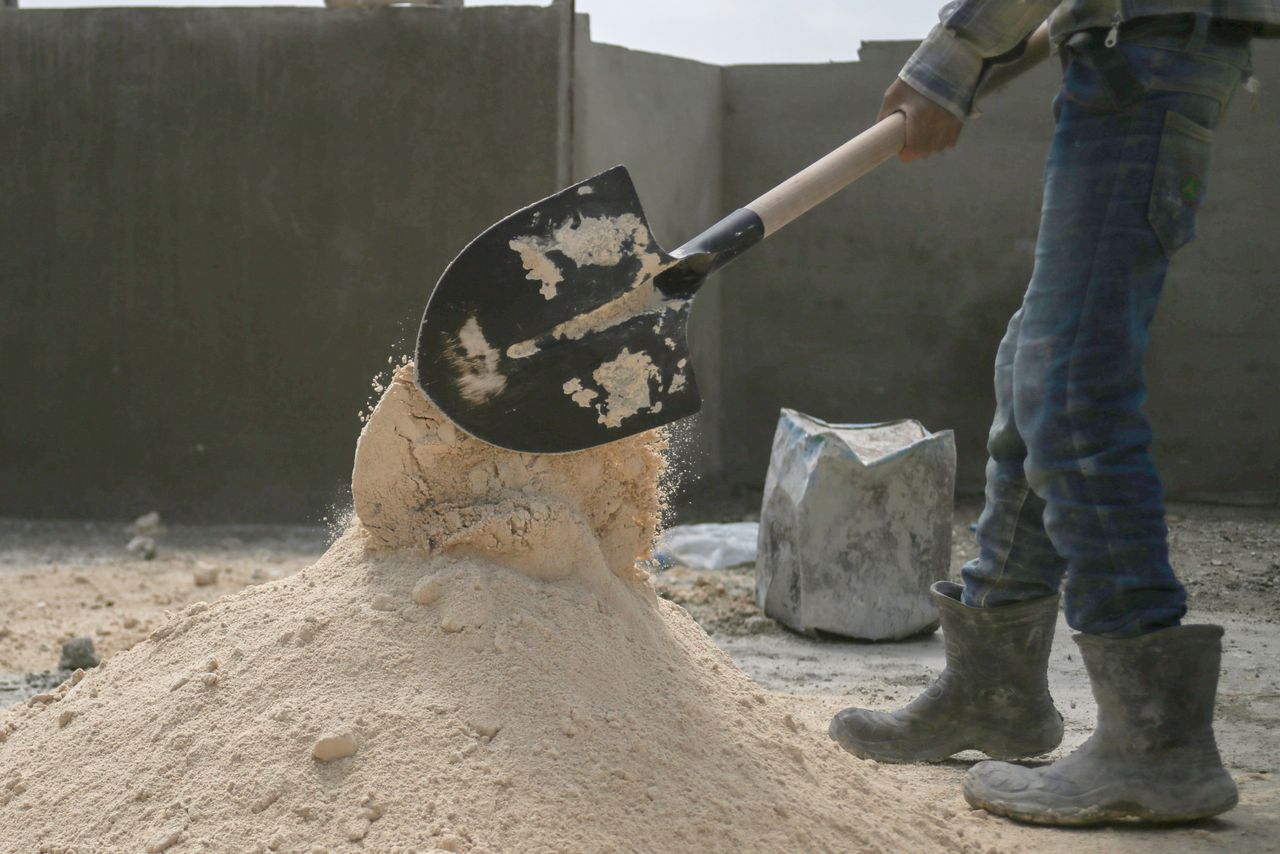
A safety shoe may be practical for a warehouse employee who spends most of the day indoors on relatively even flooring. A boot may be more suitable for someone regularly walking across uneven ground, working outdoors, or encountering wet or muddy conditions.
Consider the Hazards in the Workplace
The most important starting point is the actual risk profile of the job. Protective footwear should be selected according to the hazards workers may reasonably encounter rather than based solely on personal preference.
Common workplace considerations include:
- The possibility of objects falling onto or striking the feet.
- Sharp objects or debris underfoot.
- Slippery, wet, oily, or uneven surfaces.
- Electrical hazards where specialist footwear may be required.
- Exposure to chemicals or other substances.
- Hot or cold working environments.
- Long periods of standing, walking, climbing, or operating machinery.
The appropriate protective features depend on the particular hazards. For example, footwear designed for impact protection may not address every other workplace risk. Similarly, slip resistance can be particularly important in environments where floors become wet or contaminated.
A workplace risk assessment can help identify the protective characteristics that are necessary. Employers should also consider applicable occupational health and safety requirements and any relevant footwear standards for their industry.
When Safety Shoes May Be the Practical Choice
Safety shoes can be useful in workplaces where workers need protection without the additional height of a traditional boot. Their lower profile can make them convenient for jobs that involve frequent movement between different areas.
Indoor environments are one example. Warehouses, workshops, factories, retail backrooms, and some service environments may have relatively level floors and limited exposure to outdoor conditions. In these settings, a well-fitting safety shoe may provide the required protection while remaining relatively easy to wear throughout a shift.
Safety shoes can also be useful when mobility is an important part of the job. Employees who regularly walk, drive, move between workstations, or climb in and out of vehicles may prefer the feel of a lower-cut design.
However, the suitability of a shoe still depends on its construction and protective rating. A lightweight appearance does not automatically mean that a particular model is appropriate for a workplace.
When Safety Boots May Be More Suitable
Safety boots can offer advantages in environments where greater coverage around the ankle is useful. Outdoor workers, construction personnel, agricultural workers, maintenance teams, and people working on uneven terrain may encounter conditions where a higher-cut design is more practical.
Boots can also provide useful coverage in muddy or wet environments. Depending on the specific design, they may incorporate water-resistant or waterproof materials, reinforced construction, and outsoles designed for challenging surfaces.
Ankle coverage can also be relevant where workers frequently walk across uneven ground. It is important not to assume that a higher boot automatically prevents ankle injuries, however. Fit, construction, terrain, work practices, and individual movement all affect how footwear performs.
For workers exposed to changing weather conditions, boots may also provide additional insulation or protection from the elements. The appropriate level of protection depends on the environment and the duration of exposure.
Think About Comfort During Long Shifts
Protective footwear needs to be practical enough to wear for the duration of a working shift. Even footwear with appropriate safety features may cause discomfort if it is the wrong size, shape, or construction for the wearer.
A proper fit should allow enough room for the toes without allowing the heel to move excessively. The footwear should also hold the foot securely without creating excessive pressure points.
Workers who spend many hours standing or walking may want to consider cushioning, insole design, sole flexibility, and overall weight. Breathable materials can also be useful in warmer environments, while insulation may be more relevant in cold conditions.
When comparing safety shoes and boots, comfort should not be viewed separately from safety. Foot discomfort can affect how a person moves and may make it harder to concentrate during a long shift.
A useful fitting process includes:
- Try footwear on with the type of socks normally worn at work.
- Walk on a suitable surface and check for pressure or slipping.
- Make sure the toes have sufficient room to move naturally.
- Check that the heel remains reasonably secure during movement.
- Wear the footwear for increasing periods before relying on it for a full shift.
Consider the Working Surface
The floor or terrain can influence whether shoes or boots are more appropriate. Smooth indoor flooring presents different challenges from loose gravel, soil, mud, wet concrete, or uneven outdoor ground.
Outsole design is particularly important. A tread pattern and compound designed for a specific environment can influence traction, although no footwear can eliminate the risk of slipping on every surface.
Workers should consider whether they regularly encounter water, oil, dust, mud, loose materials, or other contaminants. Footwear should be selected with those conditions in mind.
For outdoor jobs, a boot may also help keep dirt and debris from entering around the ankle. In cleaner indoor environments, that additional coverage may not provide much practical benefit.
Think About Weather and Environmental Conditions
Temperature and weather can affect footwear requirements. A worker spending most of the day outdoors may need different features from someone working inside a climate-controlled facility.
Wet conditions may call for footwear with suitable water resistance, while cold environments can require insulation. In hot conditions, excessive insulation may be uncomfortable and can contribute to heat buildup inside the footwear.
Material selection also matters. Different materials respond differently to moisture, abrasion, temperature, and cleaning requirements. The footwear should therefore be appropriate for the actual environment rather than selected purely for appearance.
It is also worth considering how the footwear will be maintained. Work environments can expose shoes and boots to dirt, dust, water, and other substances that may affect their condition over time.
Check the Required Protective Features
Not every pair of protective footwear offers the same combination of features. Depending on the job, workers may need protection against impact, compression, punctures, slips, water, heat, or other hazards.
Protective toe caps are one common feature, but they are only one part of workplace footwear. Different products may use different toe-cap materials and constructions, each with their own characteristics.
Other features can include puncture-resistant midsoles, slip-resistant outsoles, protective materials, electrical properties, and heat-resistant components. The specific requirements should come from the workplace risk assessment and applicable standards.
Before purchasing, check the manufacturer’s specifications rather than assuming that a particular feature is present because the footwear looks industrial or rugged.
Consider How the Footwear Fits Into the Working Day
The best choice can also depend on what a worker actually does from hour to hour. Someone who spends most of the day at a workstation may have different requirements from someone who climbs ladders, walks across a large facility, loads vehicles, or works outside.
For example, a delivery worker may need footwear that balances protection with frequent walking and driving. A construction worker may place greater importance on durability, traction, and protection against site hazards. A warehouse worker may need a comfortable option suitable for extended periods on concrete flooring.
These differences show why there is no universal answer for every workplace. Safety footwear should be matched to the combination of hazards, movement, environment, and working practices.
Durability and Maintenance Matter
Work footwear is often exposed to considerably more wear than ordinary everyday shoes. Repeated bending, abrasion, moisture, dirt, and contact with workplace materials can gradually affect its condition.
Inspecting footwear regularly can help identify visible signs of wear. Particular attention can be given to the sole, stitching, upper materials, toe protection, and any areas that have become damaged or excessively worn.
A simple maintenance routine may include:
- Cleaning dirt and debris according to the manufacturer’s instructions.
- Allowing wet footwear to dry appropriately rather than exposing it to excessive heat.
- Checking the soles for significant wear or damage.
- Inspecting protective components and stitching regularly.
- Replacing footwear when it no longer provides the intended level of protection.
Following the manufacturer’s care instructions is important because unsuitable cleaning products or drying methods can damage certain materials.
Safety Shoes and Boots Should Be Selected for the Job
There are situations where safety shoes can be a sensible option and others where boots may be more appropriate. The decision should be based on the hazards and conditions of the workplace rather than assuming that a taller or heavier design automatically provides greater overall protection.
Safety shoes may suit indoor work, frequent walking, and environments where lower-profile footwear offers practical advantages. Safety boots can be useful where workers encounter uneven terrain, wet conditions, outdoor environments, or situations where additional ankle coverage is desirable.
Ultimately, safety shoes and boots should be treated as workplace protective equipment rather than ordinary footwear. The right choice combines the required protective features with a secure fit, suitable sole design, appropriate materials, and enough comfort for the duration of the working day.
Taking the time to assess the workplace before purchasing can help ensure that the footwear selected is suited to the conditions employees actually face. A well-chosen pair should support safe working practices while remaining practical enough for everyday use.