
Seasonal Pest Trends in Coastal Cities: Why Infestations Spike in Warmer Months
The seasonal nature of pest activity plays a significant role in how infestations develop and spread in coastal environments. Warmer months tend to accelerate breeding cycles, increase food availability, and create ideal conditions for a wide range of pests to thrive. In cities located near the ocean, humidity and temperature combine to amplify these effects, often leading to noticeable spikes in pest sightings.
Understanding these patterns is essential for homeowners and property managers who want to reduce risk and maintain a safe, hygienic environment. Without awareness of how seasonal changes influence pest behavior, infestations can escalate quickly before effective intervention takes place.
In regions like coastal South Africa, local conditions make pest management a year-round consideration rather than a seasonal afterthought. This is why many residents rely on Cape Town pest control companies to monitor trends, identify early warning signs, and implement preventative strategies before infestations become severe.
Why Coastal Climates Encourage Pest Activity
Coastal cities are uniquely suited to support pest populations due to a combination of warmth, moisture, and consistent food sources. These environmental factors create stable breeding grounds that allow insects and rodents to reproduce rapidly.
Humidity plays a particularly important role. Many pests depend on moisture for survival, and damp conditions help extend their lifespans while also protecting eggs and larvae. As a result, populations can grow unchecked when environmental controls are not in place.
Another contributing factor is temperature. Warmer conditions speed up metabolic rates in pests, leading to shorter reproductive cycles and faster population growth. In practical terms, this means infestations can escalate within weeks rather than months during peak seasons.
Urban density in coastal areas further compounds the issue. Waste management systems, food storage practices, and building designs can unintentionally provide access points and shelter for pests. Even small vulnerabilities can become entryways when pest populations are high.
Common Pests That Increase in Warmer Months
Different types of pests respond to seasonal changes in distinct ways, but many become significantly more active as temperatures rise. In coastal environments, this often results in overlapping infestations involving multiple species at once.
Typical pests that surge during warmer months include:
- Ants seeking food and water sources indoors
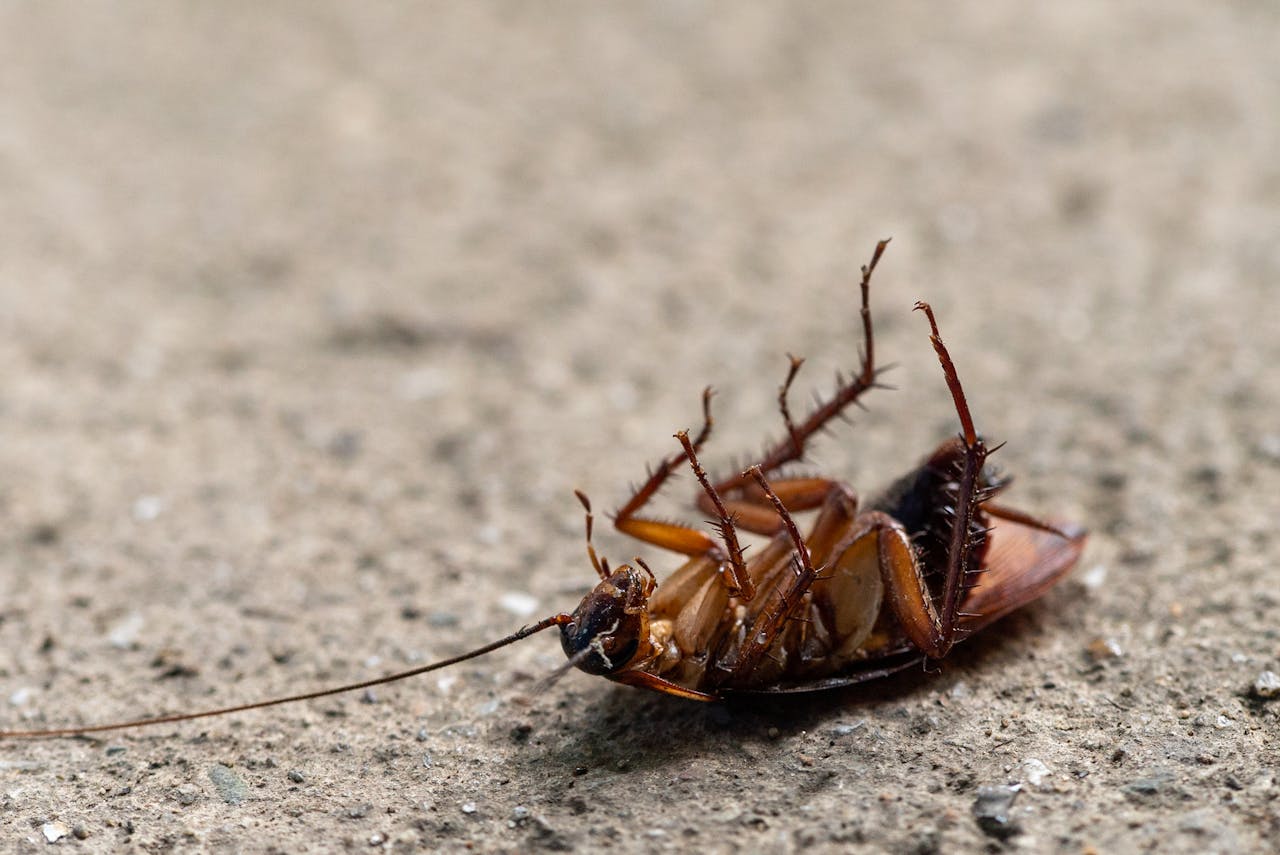
- Cockroaches thriving in humid, dark environments
- Flies breeding rapidly in organic waste
- Rodents searching for cooler indoor shelter
- Termites expanding colonies in warm, moist soil
Each of these pests is influenced by environmental conditions in slightly different ways, but they share a common dependence on accessible resources. When outdoor conditions become favorable, they reproduce quickly and expand their range into human habitats.
Rodents, for example, often move indoors during extreme heat to find stable temperatures and reliable food supplies. Meanwhile, insects like ants and cockroaches follow scent trails that lead them directly into kitchens, storage areas, and waste zones.
The Role of Humidity and Rainfall Patterns
Humidity is one of the most critical drivers of pest activity in coastal regions. When moisture levels rise, many pests experience improved survival rates and increased reproductive success. Eggs and larvae are more likely to survive in damp conditions, which accelerates population growth.
Rainfall also influences pest behavior in indirect ways. Heavy rain can flood outdoor nesting sites, forcing pests to relocate. This displacement often results in a sudden influx of pests into homes and commercial buildings.
At the same time, rain can increase vegetation growth, which provides additional shelter and food sources for insects and rodents. Gardens, drains, and shaded areas become hotspots for activity, particularly when left unmanaged.
Buildings with poor drainage or inadequate sealing are especially vulnerable. Water accumulation near foundations, clogged gutters, and leaking pipes can all create micro-environments that attract pests and support long-term infestations.
Structural Vulnerabilities in Coastal Properties
The design and condition of a property can significantly influence its susceptibility to seasonal pest trends. Coastal homes often face additional challenges due to exposure to salt air, moisture, and fluctuating temperatures.
Small cracks, gaps, and poorly sealed entry points provide easy access for pests. Over time, materials may degrade due to environmental exposure, making it easier for insects and rodents to infiltrate interiors.
Ventilation systems, roof spaces, and basements can also become hidden entry points. Once inside, pests often remain undetected until populations grow large enough to become noticeable.
Preventative maintenance is therefore essential. Regular inspections, sealing of entry points, and proper waste management can reduce the likelihood of infestations taking hold. Properties that neglect these measures tend to experience recurring pest issues during peak seasons.
Human Behavior and Seasonal Pest Spikes
Human activity often unintentionally contributes to pest problems, especially during warmer months when outdoor living increases. Open windows, outdoor dining, and increased waste generation can all attract pests into residential areas.
Food storage habits also play a role. Improperly sealed containers, exposed leftovers, and infrequent cleaning routines create opportunities for pests to feed and reproduce. Once a food source is identified, pests are likely to return repeatedly.
Another factor is seasonal travel. Vacant homes may become more vulnerable to infestations due to reduced human presence. Pests can establish nests without disturbance, leading to more significant issues when occupants return.
Simple behavioral adjustments can make a noticeable difference in reducing pest attraction. Awareness of how everyday habits influence pest activity is an important component of long-term prevention.
Preventative Strategies for Warmer Months
Managing pest risks during warmer months requires a combination of environmental control, maintenance, and monitoring. Proactive measures are generally more effective than reactive treatments, particularly in coastal climates where conditions favor rapid pest growth.
Key preventative strategies include:
- Maintaining clean and dry indoor environments
- Properly sealing food and disposing of waste regularly
- Repairing leaks and improving drainage systems
- Inspecting and sealing cracks or gaps in structures
- Scheduling routine pest inspections and monitoring
Consistency is critical. Even minor lapses in hygiene or maintenance can create opportunities for pests to establish themselves. Regular upkeep helps disrupt breeding cycles and limits access to essential resources.
Professional intervention is often recommended for properties with recurring infestations or high-risk conditions. Experienced providers can identify hidden vulnerabilities and apply targeted treatments that address both active pests and underlying causes.
Why Professional Insight Matters in Coastal Regions
Coastal pest dynamics are influenced by multiple overlapping factors, including climate, infrastructure, and human behavior. Managing these variables effectively requires specialized knowledge and localized experience.
This is where Cape Town pest control companies play a crucial role. Their understanding of regional pest patterns allows them to anticipate seasonal spikes and implement strategies tailored to coastal conditions. Rather than applying generic solutions, they assess each property based on its unique exposure to environmental risks.
Professional assessments often reveal issues that are not immediately visible, such as concealed nesting areas, moisture accumulation points, or structural weaknesses. Addressing these underlying factors is essential for long-term pest control success.
In addition, professionals can recommend maintenance schedules and preventive treatments aligned with seasonal trends. This approach reduces the likelihood of infestations escalating during peak periods and supports a more stable living environment throughout the year.
Long-Term Implications of Ignoring Seasonal Trends
Failing to account for seasonal pest trends can lead to repeated infestations, increased repair costs, and potential health risks. Over time, unchecked pest populations may cause structural damage, contaminate food supplies, and contribute to unsanitary living conditions.
Early intervention is far more effective than attempting to control large, established infestations. Once pests have spread throughout a property, eradication becomes more complex and resource-intensive.
Monitoring seasonal changes and responding proactively helps maintain control over pest populations. It also reduces reliance on reactive treatments, which are often more disruptive and less efficient.
By recognizing the connection between climate, behavior, and pest activity, property owners can make informed decisions that minimize risk. Coastal environments demand ongoing attention, but with the right approach, infestations can be managed effectively even during peak seasonal periods.