
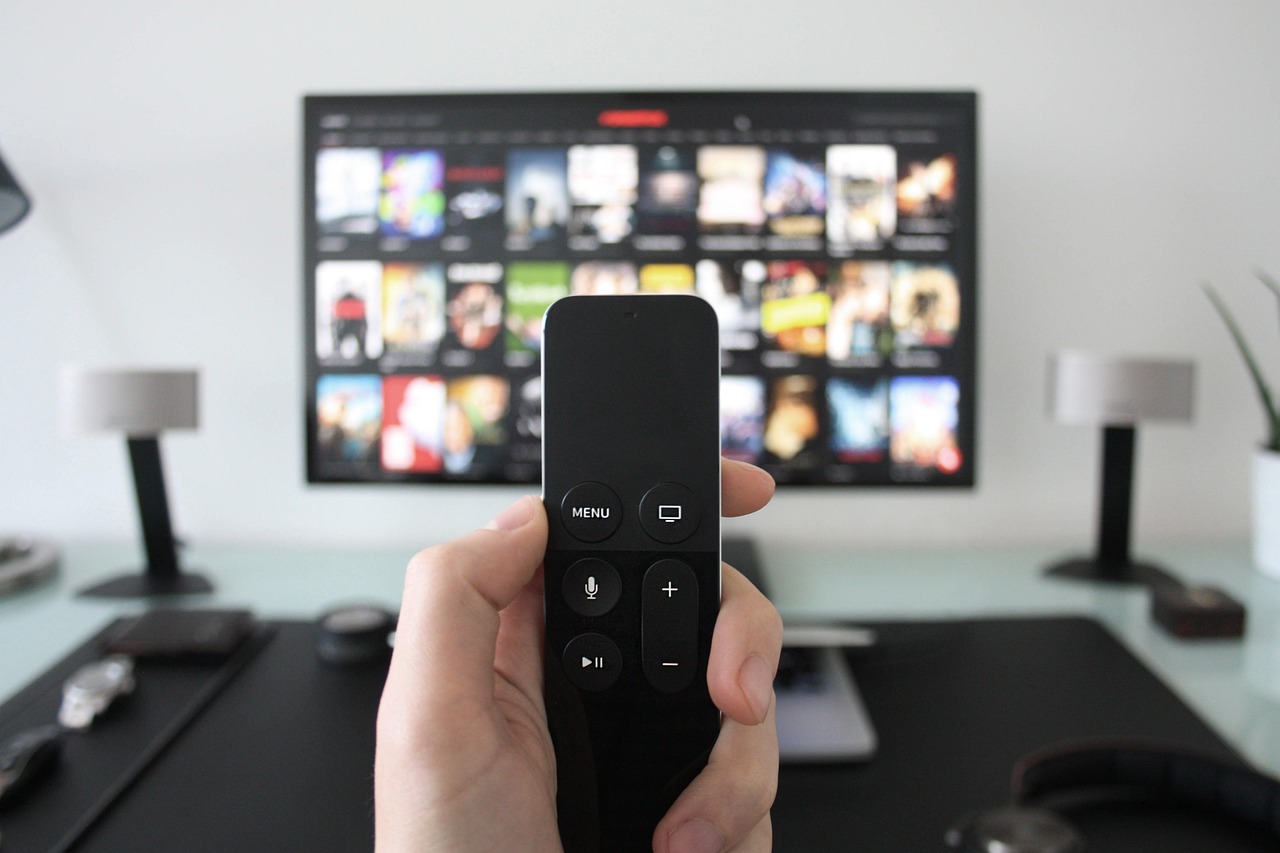
IPTV South Africa: What Viewers Should Know Before Choosing a Service
Television has changed significantly as internet connectivity has improved. Instead of relying only on traditional broadcast schedules or fixed television packages, viewers can now watch programmes through internet-based services on compatible devices.
This shift has made streaming more flexible, but it has also created more choices for consumers. Different services can vary considerably in their content, reliability, pricing, device support, and terms of use.
For anyone considering IPTV South Africa services, understanding how internet television works and what to check before subscribing can help avoid unsuitable services and unexpected problems. A careful comparison is particularly important when a provider makes claims about channel numbers, picture quality, uptime, or pricing.
Understanding How IPTV Works
IPTV, or Internet Protocol Television, refers broadly to television content delivered using an internet connection rather than traditional terrestrial, satellite, or cable broadcasting methods. The technology can support live television, on-demand programming, catch-up content, and other forms of streamed media.
The basic concept is straightforward. Video content is transmitted as digital data over an internet connection and received by a compatible device. Depending on the service, viewers may use a smart television application, streaming device, computer, smartphone, tablet, or another supported platform.
However, IPTV is not a single type of service. The technology can be used by legitimate broadcasters, telecommunications companies, streaming platforms, and other authorised content providers. At the same time, some services may distribute television channels without having the appropriate rights to do so.
This distinction matters when choosing a provider. A technically functional service is not necessarily an authorised one, so consumers should consider both the quality of the service and whether its content is legally provided.
Check What Content Is Actually Included
One of the first things to examine is the content offered by a provider. A large channel count may sound attractive, but the number alone does not necessarily indicate good value.
Some services advertise hundreds or thousands of channels while including many channels that a particular household may never watch. Others may organise content into categories such as local television, international entertainment, sports, news, documentaries, children’s programming, and movies.
Before paying for a subscription, consider which channels and content types are genuinely useful. It is also worth checking whether advertised content is included in the package or requires an additional payment.
A sensible comparison should consider:
- The specific channels you regularly watch.
- Whether live television and on-demand content are both available.
- Whether local and international programming is included.
- Whether premium content requires additional fees.
- Whether the provider clearly explains what is included in each package.
Content availability can also change. Licensing agreements and broadcasting rights may affect which programmes or channels a provider can offer over time, so consumers should be cautious about assuming that an advertised line-up will remain unchanged indefinitely.
Consider Internet Requirements
Because IPTV relies on an internet connection, the quality of the viewing experience is closely connected to the performance of the household network.
A fast connection is useful, but speed is not the only consideration. Latency, network congestion, Wi-Fi signal strength, router performance, and the stability of the connection can all influence streaming.
For example, a household might have a high-speed internet package but experience interruptions because the television is located far from the wireless router. Similarly, several people using the connection at the same time can affect available bandwidth.
It is therefore useful to evaluate the entire home network rather than assuming that an advertised internet speed automatically guarantees uninterrupted television.
A wired Ethernet connection can sometimes provide a more consistent connection than Wi-Fi, particularly where wireless interference or distance is an issue. Where Wi-Fi is necessary, placing the router appropriately and keeping network equipment updated can help improve reliability.
Look at Picture Quality Carefully
Resolution is another important factor when comparing internet television services. Providers may advertise high-definition or ultra-high-definition streaming, but the actual viewing experience can depend on several factors.
The source video, available bandwidth, device capabilities, display resolution, and streaming technology can all influence image quality. A service that advertises a particular resolution does not necessarily mean every channel or programme will be delivered at that resolution.
Adaptive streaming can also change video quality according to network conditions. This can help prevent constant buffering, but viewers may notice changes in image sharpness when connection performance fluctuates.
Consumers should therefore look beyond marketing terminology. If picture quality is important, investigate whether the provider explains its supported resolutions and whether those specifications apply broadly or only to selected content.
Examine Supported Devices
Device compatibility can have a major effect on convenience. A subscription may appear attractive until a customer discovers that their preferred television or streaming device is unsupported.
Some services work through dedicated applications, while others may use web browsers or specific media platforms. Compatibility can also differ between smart television operating systems.
Before subscribing, confirm whether the service supports the devices you already own. This is especially important if several people in the household use different screens.
It can also be useful to determine whether a provider allows multiple devices under one subscription. However, multiple-device support does not always mean simultaneous viewing is permitted. Providers may impose limits on the number of concurrent streams.
Understand Pricing and Subscription Terms
Price is an obvious consideration, but the cheapest subscription is not necessarily the best option.
A low introductory price may apply only for an initial period, after which the subscription becomes more expensive. Other providers may charge separately for certain features, devices, premium content, or additional users.
Before making a payment, carefully review the pricing structure and renewal terms.
- Check whether the advertised price is monthly, quarterly, or annual.
- Determine whether the subscription renews automatically.
- Look for setup, activation, or additional service charges.
- Check the provider’s cancellation and refund policies.
- Understand whether taxes or other charges are included in the advertised price.
Consumers should also be cautious when a provider pressures them to make an immediate payment or offers an unusually large collection of premium content for an exceptionally low price. Such claims deserve additional scrutiny.
Consider Reliability and Streaming Stability
A service can have an impressive channel list and still provide a poor viewing experience if its streams are unreliable.
Buffering, freezing, sudden disconnections, delayed channel changes, and inconsistent picture quality can make live television frustrating. These problems may originate from the provider, the viewer’s internet connection, or both.
If a provider offers a trial period, using it responsibly can provide an opportunity to evaluate performance before committing to a longer subscription. Pay attention to how the service performs at different times of day, particularly during periods when many people are likely to be watching television.
It is also useful to distinguish between an occasional connection problem and persistent service instability. No internet-based service can guarantee perfect performance under every circumstance, but repeated interruptions should be treated as a warning sign.
Check Customer Support Options
Technical problems can occur with any internet television service, making customer support an important consideration.
A provider should ideally explain how customers can request assistance and what types of technical support are available. Some services provide email support, online help centres, ticket systems, or other communication channels.
Before subscribing, consider whether there is enough information to resolve common problems. Clear setup instructions can be particularly valuable for customers who are unfamiliar with streaming applications or device configuration.
Be cautious if a provider gives very little information about its business operations or offers no practical way to contact support after payment.
Pay Attention to Legality and Content Rights
One of the most important considerations is whether a service has the necessary rights to distribute the content it offers.
The term IPTV describes a delivery method, not whether a particular service is legitimate. An authorised broadcaster can use internet delivery in much the same way that an unauthorised operator might attempt to distribute content.
Consumers should therefore avoid assuming that a service is legitimate simply because it has a professional-looking website, a large channel list, or an application.
Warning signs can include claims of access to an unusually broad selection of premium channels at a very low price, unclear information about the company providing the service, or payment arrangements that provide little consumer protection.
Where the legal status of a service is unclear, it is safer to investigate the provider and its licensing arrangements before making a payment.
Protect Your Personal and Payment Information
Signing up for an online television service can involve providing personal information and payment details. Consumers should treat these transactions with the same care they would use when purchasing any other online service.
Look for clear information about the company, its terms, cancellation procedures, and privacy practices. Avoid sharing unnecessary personal information simply because a provider requests it.
Payment security is also important. Consumers should use established payment methods where possible and keep records of invoices, subscription confirmations, and important terms.
If a website appears suspicious or uses aggressive payment tactics, taking a step back and researching the provider before paying can prevent avoidable problems.
Compare Services Rather Than Relying on Advertising
Marketing claims can make one service appear dramatically better than another. A more reliable approach is to compare providers according to practical factors that affect everyday use.
When evaluating IPTV South Africa options, create a simple comparison based on content, compatibility, reliability, pricing, customer support, and the provider’s transparency.
It can help to write down the requirements that matter most before looking at individual subscriptions. This reduces the likelihood of choosing a service simply because it advertises an exceptionally large channel selection.
Independent reviews can also provide useful context, although reviews should be interpreted carefully. A single positive or negative experience does not necessarily represent the typical performance of a service.
Think About Your Household’s Viewing Habits
The right internet television setup depends heavily on how a household watches television.
A person who primarily watches local news may have very different requirements from a household that regularly watches international entertainment, documentaries, or live events. Someone watching on one television may also have different device requirements from a family using several screens.
Consider how many people will use the service, which devices they will use, and whether simultaneous streaming is necessary.
This information can help narrow down the options and prevent paying for features that provide little practical benefit.
Avoid Making a Decision Based Only on Channel Numbers
Channel quantity is one of the easiest features to advertise because it provides a simple number for comparison. Yet more channels do not automatically mean greater value.
A service with a smaller, well-organised selection of relevant content may be more useful than one with an enormous catalogue containing channels that are rarely watched.
Quality and consistency should also be considered. A channel that frequently buffers or disappears may provide little value regardless of how impressive its position in the advertised channel count appears.
Consumers should therefore assess the overall service rather than treating the number of channels as the primary measure of quality.
Make a Checklist Before Subscribing
A short checklist can make the decision process easier and reduce the chance of overlooking important details.
- Confirm that the content you want is actually included.
- Check compatibility with your television or streaming device.
- Review the subscription price and renewal terms.
- Investigate cancellation and refund conditions.
- Assess the provider’s customer support.
- Consider whether the service appears transparent about content rights.
- Test performance where a legitimate trial is available.
- Keep records of your purchase and subscription terms.
Taking a few minutes to complete these checks can be more useful than choosing the first service that appears in a search result or advertisement.
Making a More Informed Choice
Internet-based television gives viewers more flexibility in how and where they consume content. However, greater choice also means consumers need to evaluate services carefully.
A reliable connection, compatible equipment, appropriate content, transparent pricing, responsive support, and clear information about content rights all contribute to a better experience. None of these factors should be considered in isolation.
The safest approach is to research the provider, understand exactly what is being purchased, and avoid making decisions based solely on unusually cheap prices or exceptionally large channel lists. A service that is transparent about its offering and terms is generally easier to evaluate than one that makes broad promises without providing meaningful details.
By considering both the technical and consumer aspects of internet television, viewers can make a more informed decision and choose a service that better matches their household’s viewing needs.